
"El Pulcal"
300 article(s) found

The Origin of Guatemalan Coffee beans
Coffee production in Guatemala has declined relatively, at 700kg per hectare, while that in El Salvador is 900kg per hectare and that in Costa Rica is even more astonishing, at 1700 kg per hectare. The export of dangerous Dimara coffee is controlled by private companies, but the National Coffee Council (Asociacion Nacional de Cafe) controls the coffee industry.

Flavor Origin of Guatemalan Coffee beans
Coffee production in Guatemala has declined relatively, at 700kg per hectare, while that in El Salvador is 900kg per hectare and that in Costa Rica is even more astonishing, at 1700 kg per hectare. The export of dangerous Dimara coffee is controlled by private companies, but the National Coffee Council (Asociacion Nacional de Cafe) controls the coffee industry.

Treatment methods of Guatemalan coffee beans
Coffee production in Guatemala has declined relatively, at 700kg per hectare, while that in El Salvador is 900kg per hectare and that in Costa Rica is even more astonishing, at 1700 kg per hectare. The export of dangerous Dimara coffee is controlled by private companies, but the National Coffee Council (Asociacion Nacional de Cafe) controls the coffee industry.

Guatemala coffee beans how to practice Guatemala coffee beans characteristics
Coffee production in Guatemala has declined relatively to 700 kg/ha, compared with 900 kg/ha in El Salvador and an astonishing 1700 kg/ha in Costa Rica. Guatemala's coffee export trade is controlled by private companies, but the National Coffee Council (Asociación Nacional de Cafe) controls the coffee industry.

History and Culture of Coffee in Guatemala
Coffee production in Guatemala has declined relatively, at 700kg per hectare, while that in El Salvador is 900kg per hectare and that in Costa Rica is even more astonishing, at 1700 kg per hectare. The export of dangerous Dimara coffee is controlled by private companies, but the National Coffee Council (Asociacion Nacional de Cafe) controls the rest of the coffee industry.

Price of Honduran coffee beans taste of Honduran coffee
Coffee production in Guatemala has declined relatively, at 700kg per hectare, while that in El Salvador is 900kg per hectare and that in Costa Rica is even more astonishing, at 1700 kg per hectare. Guatemalan coffee exports are controlled by private companies, but the National Coffee Council (AsociacionNacionaldeCafe) controls other ministries of the coffee industry.

Characteristics of Guatemala Coffee Beans Price of Guatemala Coffee Beans
Coffee production in Guatemala has declined relatively to 700 kg/ha, compared with 900 kg/ha in El Salvador and an astonishing 1700 kg/ha in Costa Rica. Guatemala coffee exports are controlled by private companies, but the National Coffee Council (Asociación Nacional de Cafe) controls the rest of the coffee industry

Guatemala coffee what kind of varieties which is better to drink
Coffee production in Guatemala has declined relatively to 700 kg/ha, compared with 900 kg/ha in El Salvador and an astonishing 1700 kg/ha in Costa Rica. Guatemala's coffee export trade is controlled by private companies, but the National Coffee Council (Asociación Nacional de Cafe) controls the coffee industry.

Guatemalan coffee flavor when does Guatemalan coffee flow into China
Coffee production in Guatemala has declined relatively, at 700kg per hectare, while that in El Salvador is 900kg per hectare and that in Costa Rica is even more astonishing, at 1700 kg per hectare. The export of dangerous Dimara coffee is controlled by private companies, but the National Coffee Council (Asociacion Nacional de Cafe) controls the coffee industry.

Boutique coffee Guatemala coffee beans introduction to Guatemala coffee beans
Coffee production in Guatemala has declined relatively, at 700kg per hectare, while that in El Salvador is 900kg per hectare and that in Costa Rica is even more astonishing, at 1700 kg per hectare. The export of dangerous Dimara coffee is controlled by private companies, but the National Coffee Council (Asociacion Nacional de Cafe) controls the coffee industry.

Guatemala Inchter Estate Coffee Taste Characteristics Flavor Description
Guatemala is bordered by Mexico to the north, Honduras and El Salvador to the south, the Caribbean Sea to the east and the Pacific Ocean to the west. It is blessed with tropical rain forests, volcanic geology, plateau valleys and a variable microclimate. Guatemala coffee once enjoyed a reputation for being the best coffee in the world. Here, the extra-hard coffee beans are full, delicious and balanced, and the coffee brewed with them is pure and strong
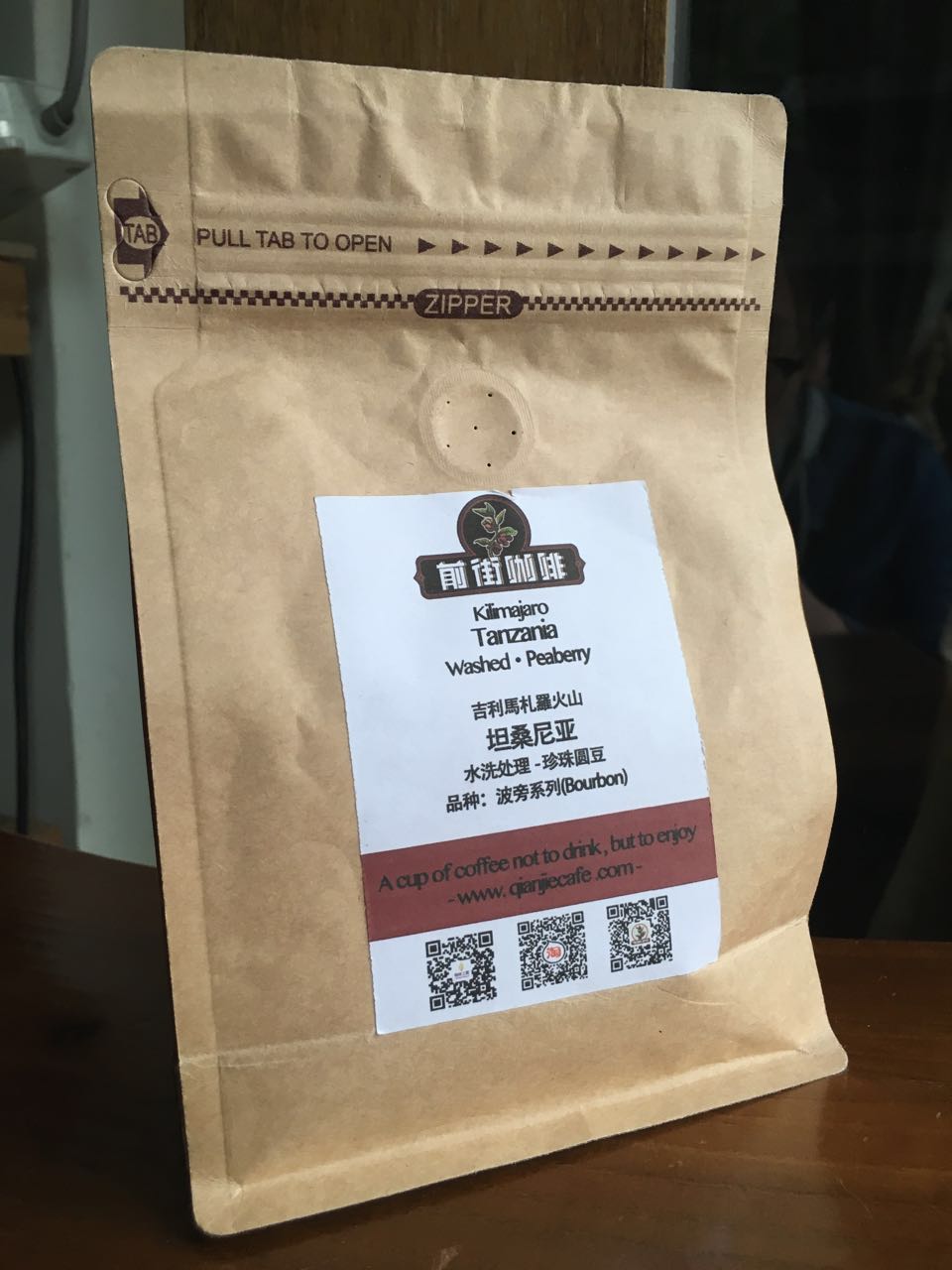
The price of Guatemalan coffee beans the characteristics of Guatemalan coffee beans
Coffee production in Guatemala has declined relatively, at 700kg per hectare, while that in El Salvador is 900kg per hectare and that in Costa Rica is even more astonishing, at 1700 kg per hectare. The export of dangerous Dimara coffee is controlled by private companies, but the National Coffee Council (Asociacion Nacional de Cafe) controls the coffee industry.
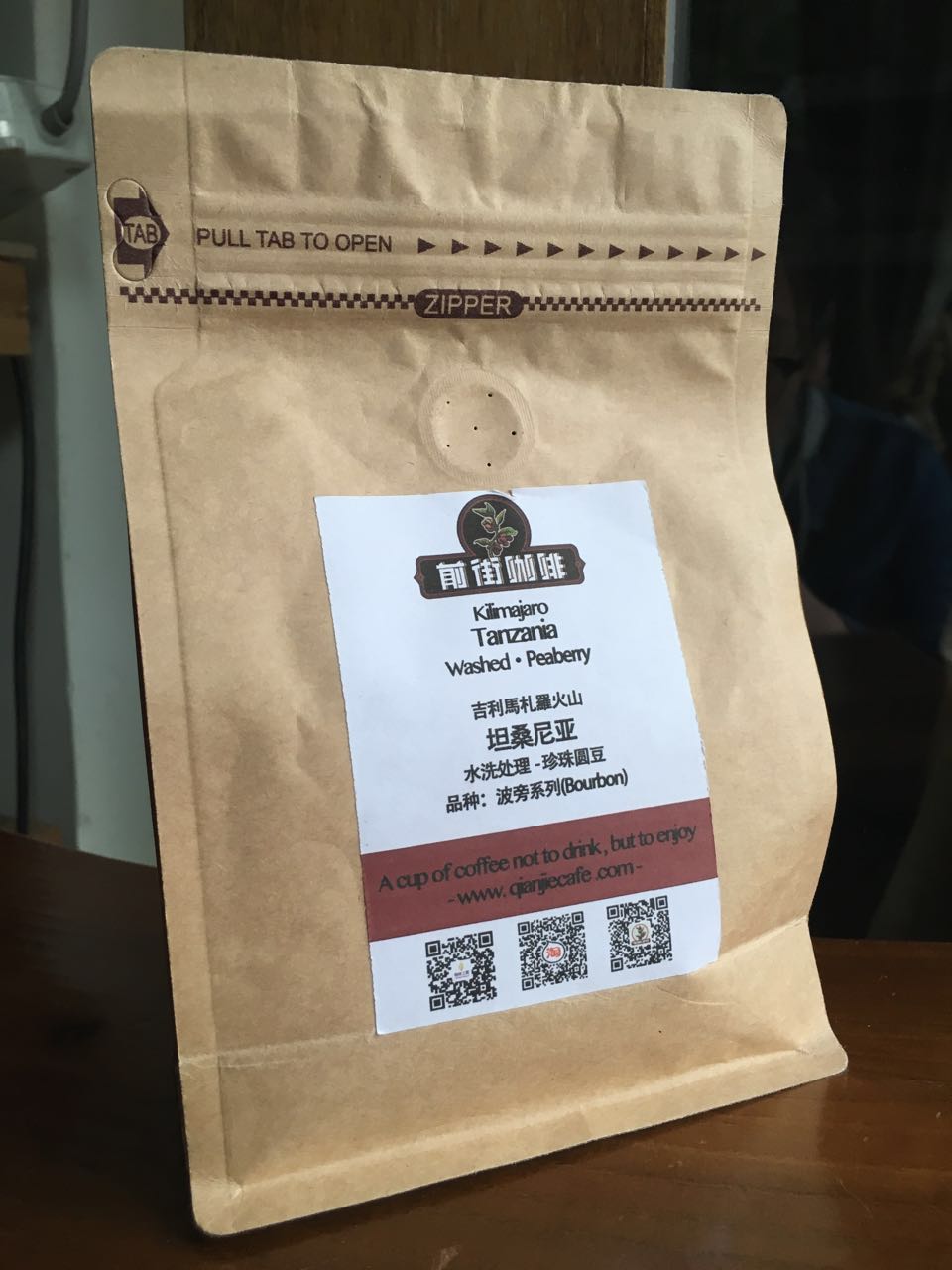
Characteristics of Guatemalan coffee beans cultural boutique coffee of Guatemalan coffee beans
Coffee production in Guatemala has declined relatively, at 700kg per hectare, while that in El Salvador is 900kg per hectare and that in Costa Rica is even more astonishing, at 1700 kg per hectare. The export of dangerous Dimara coffee is controlled by private companies, but the National Coffee Council (Asociacion Nacional de Cafe) controls the coffee industry.

The origin of Guatemalan coffee beans the characteristics of Guatemalan coffee beans
Coffee production in Guatemala has declined relatively, at 700kg per hectare, while that in El Salvador is 900kg per hectare and that in Costa Rica is even more astonishing, at 1700 kg per hectare. The export of dangerous Dimara coffee is controlled by private companies, but the National Coffee Council (Asociacion Nacional de Cafe) controls the coffee industry.
Antigua is a famous producer of coffee, Guatemalan coffee.
Guatemala is bordered by Mexico to the north, Honduras and El Salvador to the south, the Caribbean to the east and the Pacific Ocean to the west, with tropical rain forests, volcanic geology, plateau valleys and changeable microclimate. Guatemalan coffee once enjoyed a reputation as the best quality coffee in the world. The extra hard coffee beans here are full-grained, delicious and balanced, and the coffee made with it is pure.

Characteristics of Guatemalan coffee beans the origin of Guatemalan coffee beans boutique coffee
Coffee production in Guatemala has declined relatively, at 700kg per hectare, while that in El Salvador is 900kg per hectare and that in Costa Rica is even more astonishing, at 1700 kg per hectare. Guatemalan coffee exports are controlled by private companies, but the National Coffee Council (AsociacionNacionaldeCafe) controls other ministries of the coffee industry.

The characteristics of Guatemalan coffee beans an introduction to the origin of Guatemalan coffee beans
Coffee production in Guatemala has declined relatively, at 700kg per hectare, while that in El Salvador is 900kg per hectare and that in Costa Rica is even more astonishing, at 1700 kg per hectare. The export of dangerous Dimara coffee is controlled by private companies, but the National Coffee Council (Asociacion Nacional de Cafe) controls the coffee industry.

Introduction of Incht Manor in Guatemala Coffee producing area
The coffee producing region of Guatemala is bordered by Mexico to the north, Honduras and El Salvador to the south, the Caribbean to the east and the Pacific Ocean to the west, with tropical rain forests, volcanic geology, plateau valleys and changeable microclimate. Guatemalan coffee once enjoyed a reputation as the best quality coffee in the world. The extra-hard coffee beans here are full-grained, delicious and balanced.

Fine coffee the origin of Guatemalan coffee the development process of Guatemalan coffee
Coffee production in Guatemala has declined relatively, at 700kg per hectare, while that in El Salvador is 900kg per hectare and that in Costa Rica is even more astonishing, at 1700 kg per hectare. The export of dangerous Dimara coffee is controlled by private companies, but the National Coffee Council (Asociacion Nacional de Cafe) controls the coffee industry.
What are the conditions for producing high-quality coffee? the coffee producing areas in that country are the best.
Coffee production in Guatemala has declined relatively, at 700kg per hectare, while that in El Salvador is 900kg per hectare and that in Costa Rica is even more astonishing, at 1700 kg per hectare. The export of dangerous Dimara coffee is controlled by private companies, but the National Coffee Council (Asociacion Nacional de Cafe) controls the coffee industry.